
Sharjah translates the inclusion of the Faya on the World Heritage List into a system for scientific research and heritage preservation

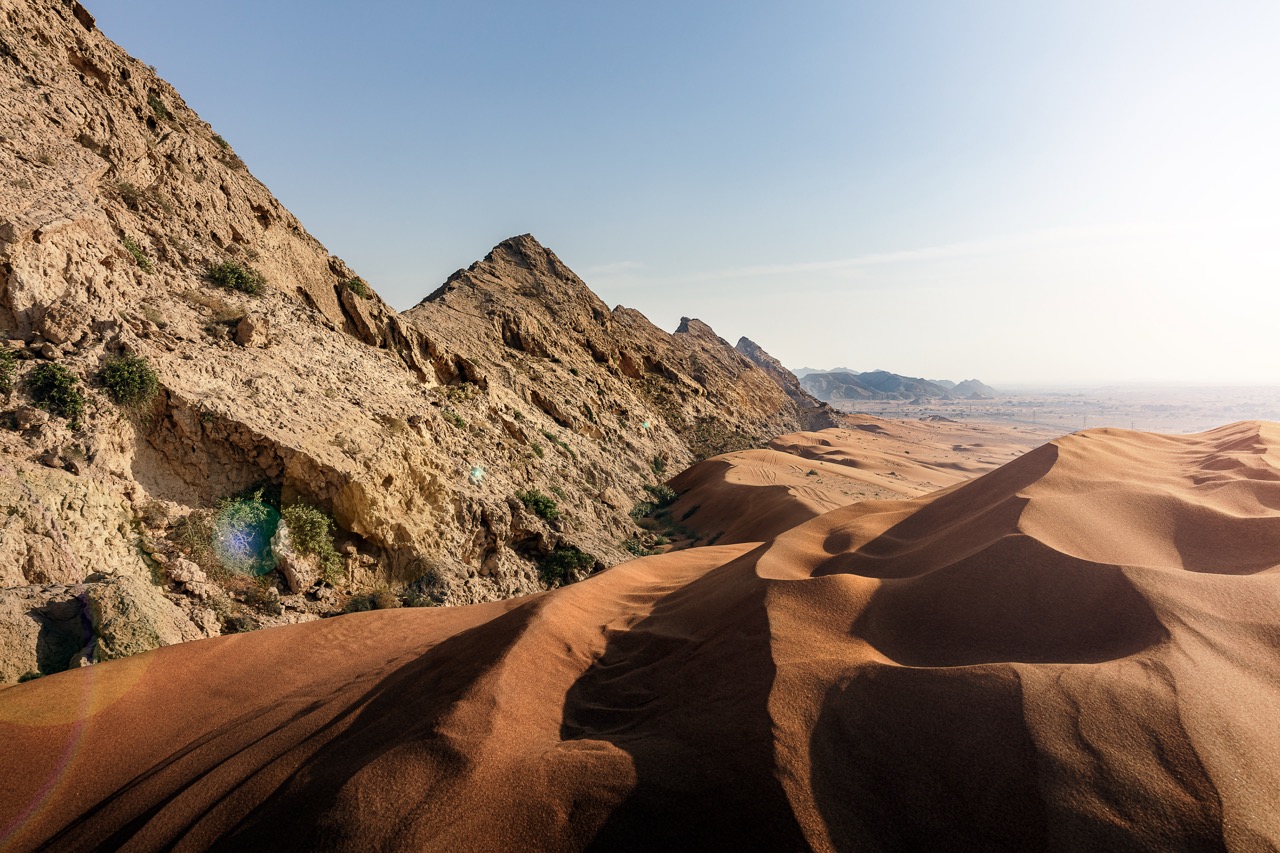
Sharjah, July 20 / WAM / Sharjah marked a new stage in the journey of the Al Faya site, a year after it was included on the UNESCO World Heritage List as the only Arab site included during the 47th session – the title of which is to transform international recognition into a long-term work program that enhances scientific research, protects the site and expands its global presence.
Within one year, the emirate launched a series of institutional and scientific initiatives, including establishing a specialized office for World Heritage, launching the “Al Faya Research Grant” program worth two million dirhams, attracting research projects from international universities and scientific centers, in addition to developing the visitors’ experience, enhancing international cooperation, and sustainable management of the site.
These initiatives reflect the vision of Sharjah, which deals with the inclusion of the Fayah as the beginning of a new phase in the history of the site, through which it continues to invest in knowledge and develop protection and management tools in a way that ensures that the Fayah continues to contribute to global studies related to human history and consolidate its position as an international scientific reference in prehistoric research.
On the occasion of the one-year anniversary of the listing, the Sharjah Antiquities Authority made it possible for the public to watch the official documentary of the Al Faya site through its website.
With the participation of Her Highness Sheikha Bodour bint Sultan Al Qasimi, Ambassador of the Al Faya World Heritage Site, and a number of archaeologists and researchers, the film narrates the story of the site extending over 210,000 years and the scientific journey that contributed to consolidating its position among the most important prehistoric sites in the world.
Her Highness Sheikha Bodour bint Sultan Al Qasimi said: “One year since the inscription of the Faya on the World Heritage List represents an occasion in which we remember the fruits of long years of research and joint work, but at the same time it opens up to us a greater responsibility towards the future. The value of this inscription is not measured by international recognition alone, but rather by the opportunities it provides to continue scientific research, enhance conservation and preservation work, and expand the knowledge that the site provides to the world about human history.”
She added that since the listing, we have worked to build an integrated system that combines scientific research, education, international cooperation, and site management in accordance with the best international practices, so that the Al Faya site remains a living source of discovery and a platform that contributes to enriching human knowledge and a global heritage preserved for future generations.
For his part, His Excellency Issa Yousef, Director General of the Sharjah Archeology Authority, said: “During this stage, Sharjah focused on building an integrated system for managing the site, developing scientific research, and strengthening international partnerships to ensure that the Al Faya site remains a site that adds to human knowledge and not a site that merely presents its history. The launch of the World Heritage Office and the Al Faya Research Grant Program was a translation of this approach, which views the site as an ongoing scientific project that serves researchers and supports the protection and management of the site according to the highest standards.”
The first year witnessed the establishment of the World Heritage Office in Sharjah, which supervises conservation, documentation, scientific research, international cooperation, and long-term management of World Heritage sites in the emirate under the umbrella of the Sharjah Antiquities Authority.
The office represents an institutional framework for coordinating the efforts of concerned parties, implementing the requirements of the UNESCO Convention, and supervising scientific research programs to ensure that the results of studies and new discoveries are used in developing plans for managing and preserving the site.
One of the most prominent initiatives launched by Sharjah during the first year is the “Al Faya Research Grant” program, with an investment of two million dirhams, with the aim of supporting long-term studies related to human history in the southeast of the Arabian Peninsula.
The grant program attracted 49 research applications from universities and scientific centers in Europe, Africa, Asia and North America before selecting five research projects led by scientific teams from the UAE, the United Kingdom, the United States, Germany and Spain.
These projects address the reconstruction of ancient environments, the study of human settlement, ancient genomics, human movement, and geological formations, which contribute to the production of new scientific databases and enhance the status of Al-Faya as a global reference for the study of human evolution.
The program includes a mentorship fellowship track that allows young Emirati researchers to gain field and academic experiences in specialized international institutions before employing them in site research and conservation work.
In addition to investing in scientific research, the site witnessed the development of the visitor experience, as the Mleiha Archeology Center launched a new interactive exhibition that introduces the discoveries of Al Faya and its scientific importance. The site was also provided with modern guide signs and the official UNESCO World Heritage Monument was installed on it, which contributes to facilitating the movement of visitors and enhancing their understanding of the historical and scientific value of the site.
Within the framework of developing the management of the site, the Sharjah Archeology Authority organized a specialized workshop that lasted three days, with the participation of representatives of the parties concerned with planning, infrastructure, tourism, environment and heritage, with the aim of updating the executive management plan for the site in order to achieve a balance between preservation requirements, infrastructure development, making the site available to visitors, and ensuring its long-term sustainability.
These initiatives were accompanied by the expansion of Al Faya’s presence on digital platforms, as the official website has attracted more than 7,000 active users since the beginning of 2026 and recorded more than 41,000 interactions, while the number of visits to the pages of the “Al Faya Research Grant” program exceeded 5,000 visits from researchers and academic institutions from around the world.
These indicators reflect the expanding international interest in the site and its growing presence as an open scientific platform that contributes to the production of new knowledge about human history and supports research cooperation between academic institutions and specialized centers around the world.
- For more: Follow Khaleejion 24 Arabic, Khaleejion 24 English, Khaleejion 24 Live, and for social media follow us on Facebook and Related


