
The Urban Biodiversity Alliance examines the resilience of cities in… "Expo Dubai"

Dubai, April 6 / WAM / Dr. Sajid Pareth, Director of Water and Climate Solutions at Expo City Dubai, confirmed that the way nature is measured in cities is witnessing a fundamental shift, pointing out that relying on measuring green spaces in terms of coverage alone does not reflect the efficiency of environmental systems or their ability to support resilience and sustainability in the long term.
Bareth explained that the use of satellite data and artificial intelligence techniques allows for the assessment of more accurate elements, including biodiversity, environmental connectivity, and levels of environmental stress, which provides a deeper understanding of how ecosystems work within cities, and supports the adoption of a more informed approach to urban planning.
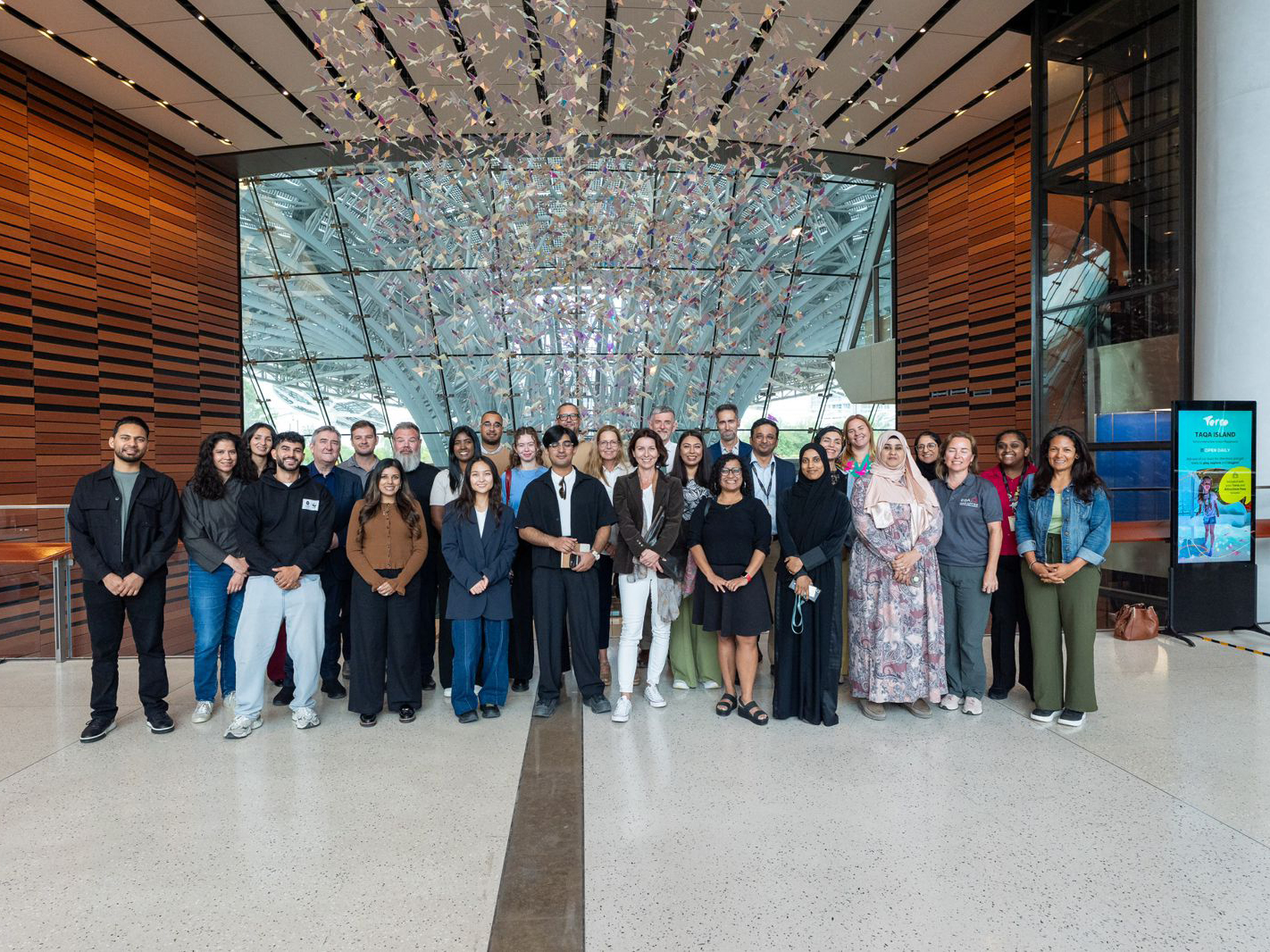
This came during the Urban Biodiversity Alliance meeting, which was held at Terra in Expo City Dubai, with the participation of more than 20 decision-makers, researchers and sector leaders, to exchange visions on ways to understand urban environments and enhance their ability to adapt in light of environmental changes.
The meeting formed a platform for open discussion among the participating parties, which reviewed their experiences in dealing with challenges within their institutions, and exchanged knowledge directly, thus enhancing the role of the alliance as a reliable space for collective learning and coordination of efforts.
Participants discussed the importance of moving from measuring green spaces according to coverage to evaluating the performance of ecosystems, including biodiversity, connectivity, and ecosystem health, as they are essential elements in city planning and experience.
The meeting also reviewed the use of Earth observation techniques that allow the assessment of environmental systems at a precise local level, up to small areas, which makes it possible to identify sites of environmental pressure and direct interventions to enhance biodiversity and improve the resilience of cities.
Participants noted that integrating satellite data with field data provides a clearer picture of changes occurring in ecosystems over time, including urban temperature patterns and changes in biodiversity and water quality, which supports the development of more accurate planning solutions linked to the local context.
For her part, Marjane Faraidouni, Head of Education and Culture at Expo City Dubai, stressed that cooperation between various parties is gaining increasing importance in light of environmental pressures, noting that the alliance provides a space for dialogue and coordination of efforts to contribute to the design of cities that support humans and nature.
Since its launch in 2025, the Urban Biodiversity Alliance continues to bring together various stakeholders to support the adoption of a data-driven approach to biodiversity planning, enhancing its integration into city design and development.
- For more: Follow Khaleejion 24 Arabic, Khaleejion 24 English, Khaleejion 24 Live, and for social media follow us on Facebook and Related


